
Off-grid power at a forward site: the requirements nobody writes down
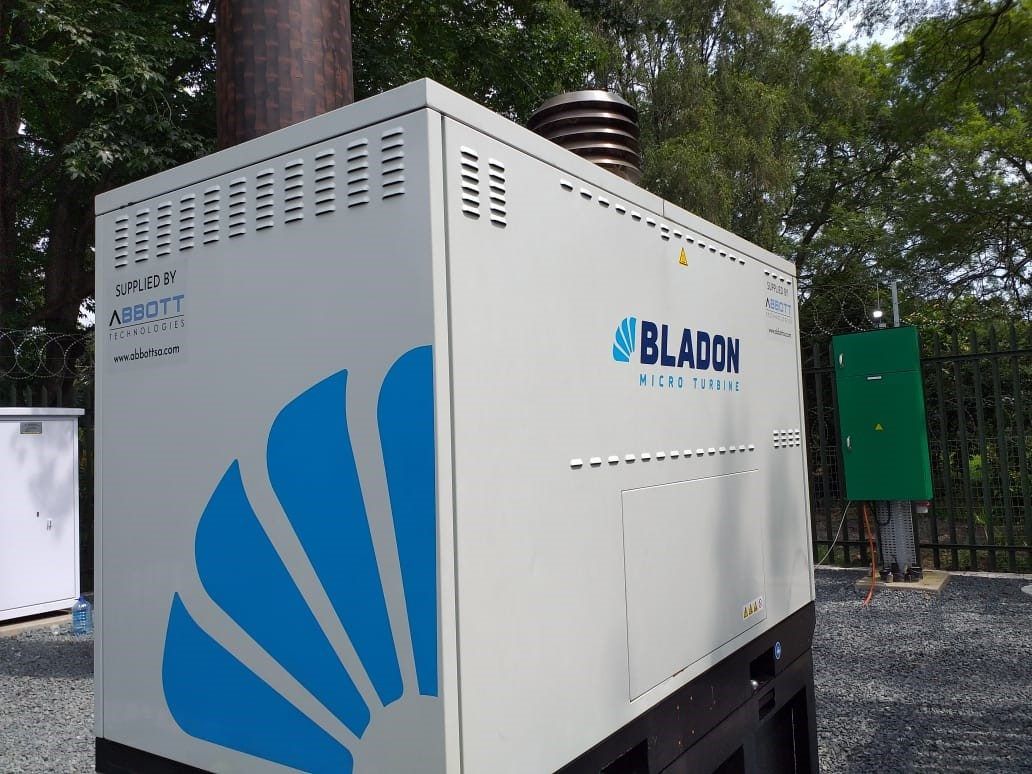
A defence power specification reads like a civil one on paper. The requirements that decide the outcome are the unwritten ones: acoustic signature, fuel logistics burden, and how many people have to touch the machine.
Read a defence power requirement alongside a civil one and the documents look similar. Both state an output, an ambient range, a fuel type, and a compliance list. Both are satisfied by a long list of machines. The requirements that decide which machine survives contact with a forward site are usually absent from the page, because they are held as tacit knowledge by the people who have deployed one.
Four of them come up repeatedly: acoustic signature, thermal and exhaust characteristics, the logistics burden the fuel imposes, and the number of people who have to go and touch the machine.
Acoustic signature
Civil specifications express noise as a compliance number against a site boundary limit. At a forward site the question is detection range: at what distance is the machine audible to someone who is listening for it, in the ambient conditions of that terrain at night.
The Bladon units are specified per product. MTG12: 60 dB LPA at 10 m (50 dB LPA at 10 m with the optional Silent Pack). MTP40: 60 dB(A) at 7 m and 85 dB(A) at 1 m (design target, not yet verified by test). Measured at 10 m in free-field conditions, per the product datasheet. A figure quoted without its measurement distance tells you almost nothing about how sound falls off in the open, so always read the distance with the number.
There is a qualitative point alongside the number. A reciprocating engine produces a low-frequency, tonal, periodic sound that carries well and that a human ear picks out of background noise readily. A turbine produces a higher-frequency, steadier sound with a different propagation behaviour. Two machines with the same measured dB(A) at 1 m can be detectable at very different distances. Where acoustic signature is a real requirement, specify the measurement conditions and ask for the character of the sound, then confirm it on site.
Fuel logistics as the real constraint
At a forward site the fuel convoy is the exposure. Every litre delivered is a vehicle movement, a route, a crew, and a window during which people are on a road. A generator that consumes less fuel generates fewer movements. Every movement not made is risk removed, and that matters more than the fuel line itself.
This is where fuel flexibility changes the calculation. A power unit locked to one fuel type is dependent on that fuel arriving. A unit that will run on whatever kerosene-type or diesel-type fuel is present in theatre can be supplied from the stock that is already there for other purposes, which shortens the supply chain and removes a separate line from the resupply plan. Fuel that can be drawn locally does not need to be convoyed at all.
Single fuel policy
NATO operates a single-fuel concept for land systems, standardising on kerosene-type fuel (F-34 / JP-8) so that ground vehicles, aircraft and generating sets can be supplied from one stream. The logistical logic is straightforward: one fuel means one storage arrangement, one distribution chain, and no risk of misfuelling at a point where nobody has time to check.
The Bladon microturbine's published fuel capability includes kerosene and paraffin natively, alongside diesel, HVO and other liquid fuels. A power unit that runs kerosene without modification sits inside that supply arrangement as a matter of fuel capability.
Fuel capability as listed. Defence qualification status is not claimed here.
Maintenance under operational conditions
A diesel genset at a remote site wants attention roughly monthly. The microturbine is specified for one service visit per year, with a design life of 45,000 hours. Twelve visits a year against one is the comparison worth putting in the requirement.
In a civil setting that difference is a cost saving. At a forward site it is an operational difference. A technician who has to be escorted, or flown in, converts a routine service task into a planned activity with its own force protection requirement, its own airframe hours, and its own window of exposure. Eleven of those removed from the annual plan is capacity returned to the operation.
Consumables follow the same logic. A machine that needs oil, oil filters and coolant on a monthly cycle needs those items delivered on a monthly cycle. The Bladon unit uses air bearings and requires no oil, which removes a consumable line from the resupply plan entirely.
Thermal and emissions
On emissions, the published position is that the microturbine is Exceeds EU Stage V emissions limits. That is an air-quality statement, and it is the only emissions claim made here.
Infrared signature is a different measurement and Bladon has not published one, so nothing on this page should be read as an IR claim. Exhaust temperature, mass flow and plume behaviour are application-specific, and where thermal signature is part of a requirement they should be discussed directly with engineering against the installation in question.
What to put in the requirement
- Acoustic: state a dB(A) figure at two distances with the measurement conditions, and state the detection-range intent behind the number.
- Fuel: state every fuel the unit must accept without modification, and name the theatre fuel it will actually be supplied with.
- Fuel burn: specify litres per kilowatt hour at the expected load, since this converts directly into convoy movements.
- Maintenance: specify the scheduled service interval in visits per year, and the consumables required per visit, including whether oil is needed at all.
- Attendance: state whether unscheduled attendance is acceptable and at what frequency, and require remote monitoring so a fault is known before a journey is planned.
- Ambient: state the operating temperature range and altitude, and ask for the de-rating behaviour across it.
- Thermal: if IR signature matters, specify it as a measured requirement with test conditions and treat it as an engineering discussion, because it will not appear in a datasheet.
- Qualification: state which standards and approvals are mandatory, and require evidence for each, separately from performance claims.
The output figure is the easy part of a power requirement. The lines above are the ones that determine whether the machine is a help or a liability once it is in place.
Questions
What matters most in a defence off-grid power specification?
Acoustic signature expressed as detection range, the fuel logistics burden the unit imposes, the number of maintenance visits it requires, and its thermal and exhaust characteristics. Output and ambient range are usually the easiest requirements to satisfy.
How quiet is a Bladon microturbine genset?
Noise is specified per product. MTG12: 60 dB LPA at 10 m (50 dB LPA at 10 m with the optional Silent Pack). MTP40: 60 dB(A) at 7 m and 85 dB(A) at 1 m (design target, not yet verified by test). Measured at 10 m in free-field conditions, per the product datasheet. The measurement distance should always be quoted with the figure.
Does the microturbine work with a single fuel policy?
NATO standardises land systems on kerosene-type fuel (F-34 / JP-8). The Bladon microturbine's published fuel capability includes kerosene and paraffin natively, so it can be supplied from a kerosene stream. Fuel capability as listed; no defence qualification is claimed.
How often does it need servicing at a remote site?
One service visit per year, against roughly monthly attention for a diesel genset, with a design life of 45,000 hours. Where technicians must be escorted or flown in, that difference changes the operating plan as well as the cost.
This article is part of the Bladon archive and reflects the position at the date of publication.